European farmers face new challenges as CBAM takes effect
While global markets offer stronger commercial opportunities, Agropolychim continues to prioritize Bulgarian farmers and local supply
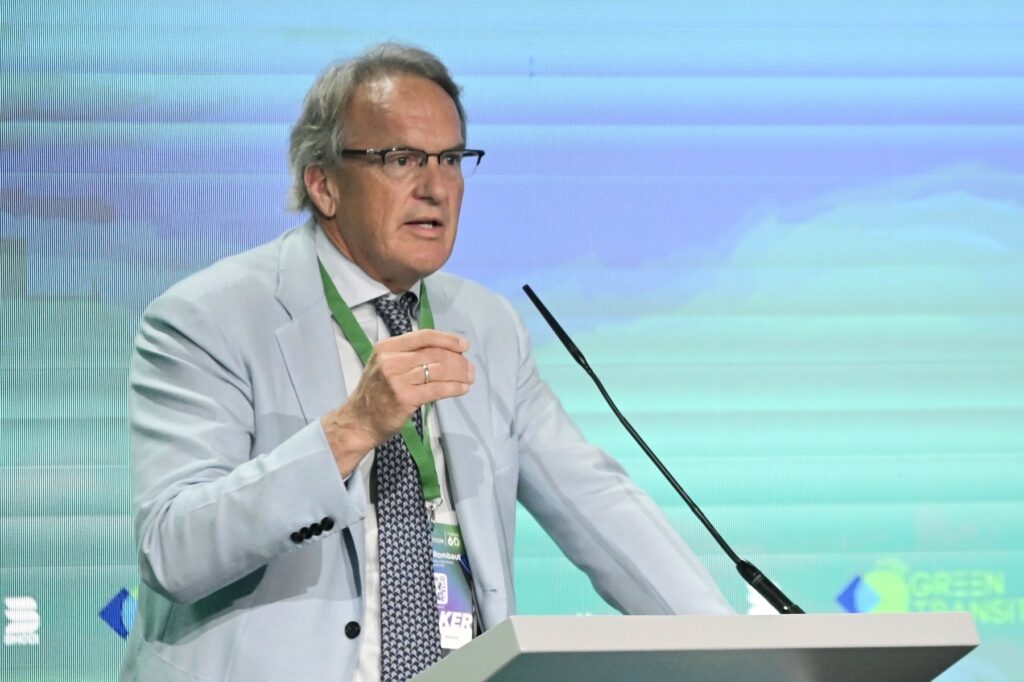
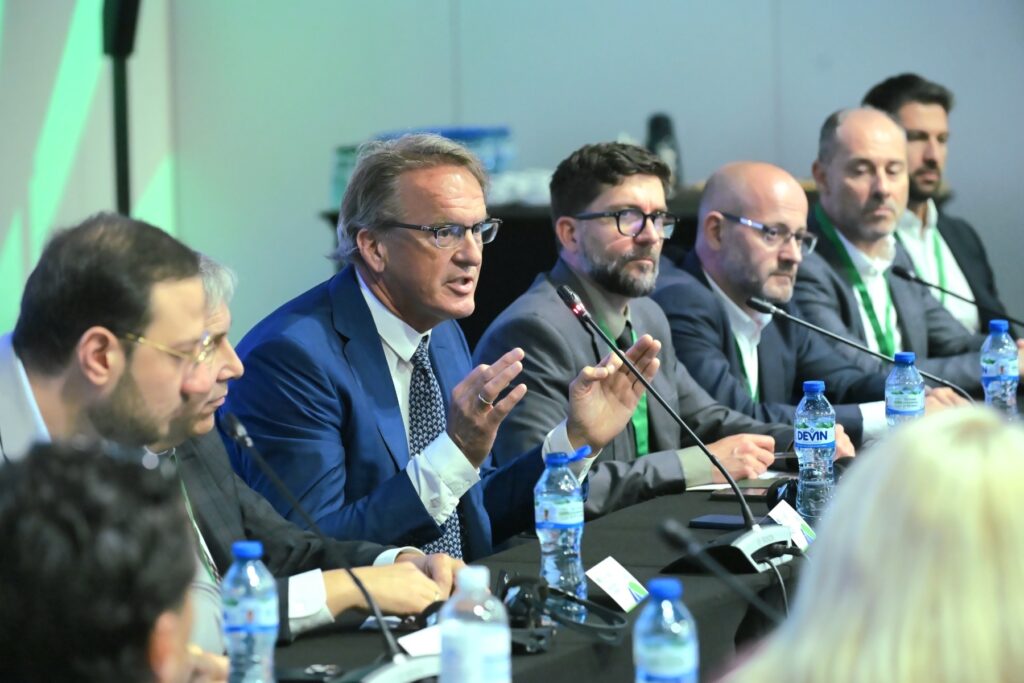
The debate around the Carbon Border Adjustment Mechanism (CBAM) is often presented as a discussion about climate policy, carbon accounting and industrial regulation. During the Green Transition Forum discussion “CBAM in Action – Ensuring Fair Competition While Decarbonising Global Trade”, Philippe Rombaut, Chairman of the board of Bulgarian fertiliser producer Agropolychim, argued that the conversation should start somewhere else: with farmers. “The discussion cannot focus only on technical compliance and reporting requirements. We should look in the first place at who ultimately bears the cost,” Rombaut noted during the forum discussion.
According to Rombaut, European agriculture is the sector most heavily affected by the unintended consequences of CBAM. While the mechanism aims to support decarbonisation and create a level playing field, the additional costs generated by its implementation will ultimately fall on agricultural producers who have little or no ability to recover them through the market. This is especially so for the Bulgarian, Romanian farmers who are mainly exporting their produce to countries in northern Africa who have zero interest to pay more than the international market price. There is no possibility for these farmers to pass through the value chain the extra burden and this comes after already three years of disastrous economics in the farming sector.
Current estimates discussed by European farming organisations suggest that CBAM could impose an additional burden of approximately EUR 860 million on European farmers in the short term, with that figure potentially rising to EUR 3.4 billion annually by 2034-2035. The proposed compensation of 400 mio Euro according to the Fertilizer Plan of the Commission does not cover even half of the real cost for the farmers, does not explicit how it will be distributed, nor when and says nothing about what will be done in the coming years. And then on top of CBAM the EU – Mercosur agreement comes into force which will allow duty-free imports of agricultural products from South America which were produced with fertilizers which have not been burdened by CBAM or similar tax.
The Green Transition cannot work with red bottom lines especially not if it is written with the blood of the EU farmer.
CBAM is portrayed as a solution for the problems of the EU fertilizer business which is false according to Rombaut. The root cause is the high gas price, but this is in fact not a problem because there is no solution; the high gas price has to be taken as a fact. That is according to Rombaut, the main reason why between 2024 and 2034 approximately 6-8 mio tons of NH3 production in Europe will shut down. CBAM, which implies a reduction in free ETS allowances which will accelerate as of 2030, will actually make the closures happen earlier rather than later since fertilizer producers will try to find a balance between the cost of closure and the free money coming from the sale of the free allowances received just before closure.
CBAM also has the perverse effect that EU money will flow to countries like the US where gas is cheaper as CAPEX to build Blue Ammonia factories and then afterwards again monies will flow as extra OPEX again to the US when the European companies are going to buy the blue ammonia with the CBAM markup over the grey ammonia.
So, CBAM on fertilizers is measure which was ill conceived and did not take into account the EU farmers and the perverse effects on the fertilizer industry in Europe.
Agropolychim’s own investments demonstrate that industrial development and decarbonisation can go hand in hand. The company was the first in Europe to import blue ammonia and plans investments of approximately EUR 400 million over the next five years as part of its long-term development strategy. At the same time, it remains one of the largest fertilizer producers in Southeast Europe and a key supplier to regional agricultural markets.
Despite growing demand and stronger pricing opportunities outside Bulgaria and the European Union, Agropolychim continues to prioritise the Bulgarian market. The company maintains fertilizer availability for local farmers even when international markets offer more attractive commercial alternatives.
This commitment reflects a broader understanding of the challenges facing agriculture today. Farmers are dealing with volatile commodity prices, rising production costs and limited liquidity. Purchasing decisions are often delayed until the last possible moment, creating additional challenges throughout the supply chain. Nevertheless, ensuring reliable access to fertilizers remains a priority.
Ultimately, the debate is not about choosing between competitiveness and sustainability. The challenge is ensuring that environmental policies are also economically sustainable.
The success of the green transition will depend not only on reducing emissions, but also on preserving the ability of European farmers and industries to remain competitive, invest, innovate and grow.
For companies such as Agropolychim, supporting Bulgarian agriculture while investing in the transition remains part of the same objective: building a sustainable future that is both environmentally and economically viable.